NuMaker-M463KG for Embedded Design on the NuMicro M463 Platform
29. May 2026 | Planegg
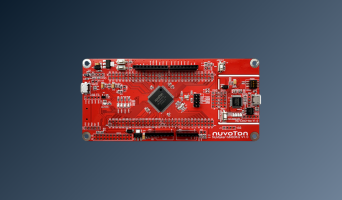
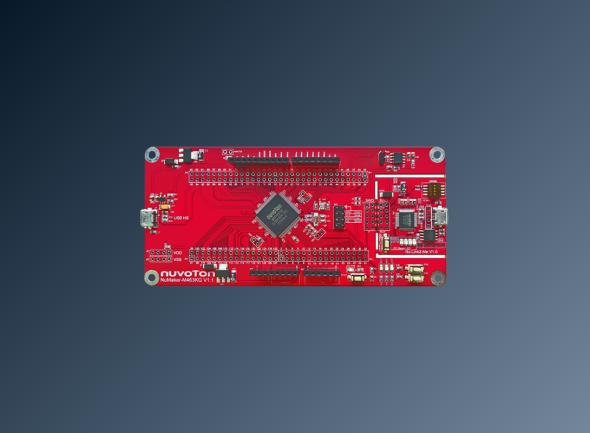
The compact Nuvoton NuMaker-M463KG evaluation board is designed for the evaluation, prototyping and validation of development projects on the Nuvoton NuMicro M463 platform.
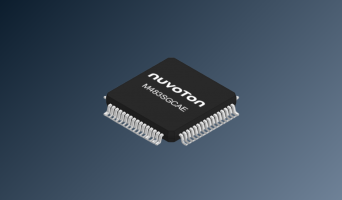
At the core of the board is the NuMicro M463KGCAE, an Arm Cortex-M4F-based microcontroller with DSP instruction support and single-precision FPU. By combining the M463KG target board with an on-board Nu-Link2-Me debugger and programmer, the platform enables a quick start into Cortex-M4F-based embedded development without requiring additional external tools.
This makes the board particularly suitable for development tasks in which compute performance, connectivity and flexible peripheral integration must be assessed together, for example in IoT gateway, industrial control, telecom and data center-related applications.
The on-board debugging and programming via SWD, virtual COM support for PC-based debug output, and online or offline ICP functions simplify practical development workflows by reducing setup effort and accelerating iteration. Arduino UNO-compatible headers, additional extension connectors and integrated power consumption monitoring further support fast peripheral evaluation and product-oriented validation.
More information about the Nuvoton NuMaker-M463KG is available in the ATE Store. More about potential development use cases:
• Connected Charging Infrastructures
• Industry 5.0
Q&A
What is the NuMaker-M463KG best suited for?
Typical use cases include evaluation of NuMicro M463-based embedded designs, functional prototyping, validation of communication and peripheral concepts, and fast project start-up with integrated debugging.
Which debugging and programming functions are integrated?
The board includes on board Nu-Link2-Me for on-chip debugging, online and offline ICP via SWD, and virtual COM support for PC-based debug output.
How does the platform support flexible development setups?
Arduino UNO-compatible headers and additional extension connectors allow for the quick integration of external modules, shields and peripherals into the development workflow.